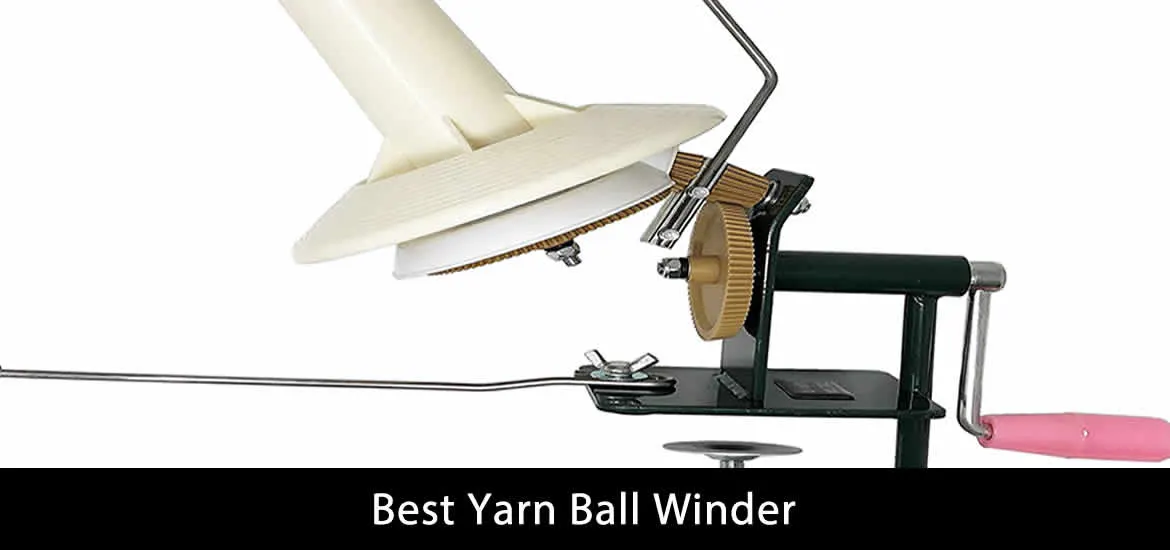
Do you know how long it takes to make a yarn ball cake manually? Well, it is incredibly time-consuming. At the same time, the cake shape won’t be perfect. Finding the center is the most irritating matter. And you cannot pull out the yarn easily.
So, what to do?
You can try the best yarn ball winder. This is the latest invention and helps to make the process smooth. With the yarn ball winder, you have the option to complete the process in a short time.
If you are one of those who love weaving, this best yarn ball winder review is for you. In this particular article, we have sorted out the fundamental issues of why people use the winder. Also, you will get comprehensive ideas about the selection process.
You can also skip the review if you want to spend more time in winding the yarn. But we do not think that would be a smart idea. In this post, we shall discuss the best large ball yarn winder. You will have all the necessary information, the advantages and disadvantages of the best products.
Top 5 Best Yarn Ball Winder Reviews of 2026
Before the selection of the best yarn ball winders, we underwent thorough research. We discussed the matter with Samuel Johnson, an expert from a yarn manufacturing company in Kansas. He guided us on specific winders.
We also did some online research to know more. Also, we have visited amazon.com and other crafting sites to get the ideas. All the approaches provided us with in-depth knowledge to undertake this post. So, you can rely on our products.

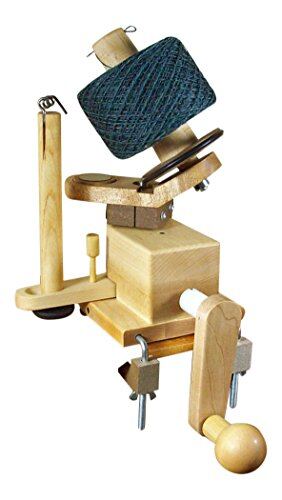
Top pick: Nancy’s Knit Knacks Heavy Duty Ball Winder
Key features
- Made with maple wood
- Steel shafts
- Heavy-duty gears
Most of the cases, the weavers are in trouble with the durability of their winders. But the Nancy’s Knit Knacks Heavy Duty Ball Winder is different. It is from maple hardwood. The steel shaft is easy to handle, and the size is compact too.
Mounting the winder on a table is not a big deal. With a reliable clamping system, you can mount the winder on the table up to 2.5 inches. There are two table clamps with the winder, which is another plus. The one-year limited warranty will make you smile all the time.
With less time than the conventional method, you can easily make the cake or balls. The rotation of the winder is comfortable as well. It will create less fatigue during operation.
Pros
- Simple operation
- Reduced injury risks
- 180-degree swivel
- Fits on different tables
Cons
- Price is a bit more
- Needs calibration
Why we picked this product?
If you are a newbie and want to bring perfection in your knitting, try this product. It comes with convenient operation. You can swivel the winder up to 180-degree and in five other angels. So, the balls or cakes get a perfect shape.
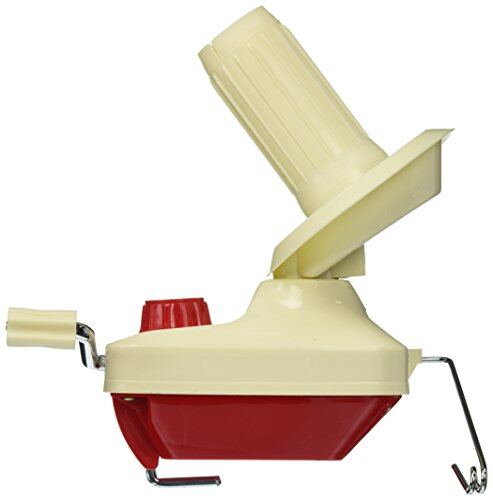
Lacis MO77 Yarn Ball Winder II Weaving Yarn
Key features
- Makes different shapes
- Even yearn flow
- Prevents tangling
When you need something special, Lacis MO77 Yarn Ball Winder II Weaving Yarn can help you get the desired product. It comes with a hand operation – easier for everyone and comfortable. The winder can pull thread balls up to four ounces.
To complete the operation, you need no additional tubes or cones. If you want to deal with larger hanks or leftover skeins, this is the right tool. The instructions for setting up the device is smart and straightforward.
Pros
- Easy installation
- Hand operation
- Compact size
- Less winding time
Cons
- The gear may slip
- Takes longer time for certain yarn
Why we picked this product?
First of all, the setting up process of this winder is simple and takes less time. With the smooth handle operation, you can use the winder without feeling tired. At the same time, it comes with a small footprint. Time consumption is also lower with this device.
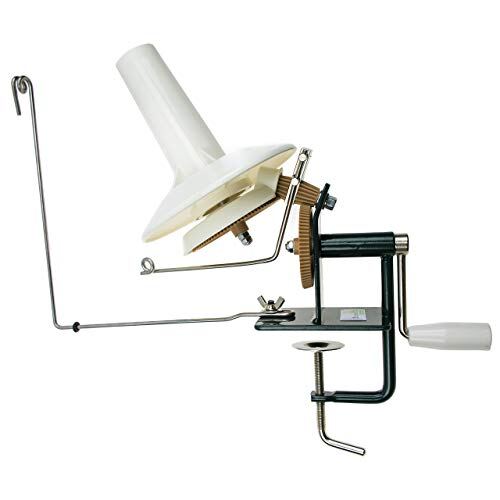
Stanwood Needlecraft Large Metal Yarn Ball Winder
Key features
- Large size
- Tool-free assembly
- Easy clamping
Durability is the prime feature of this Stanwood Needlecraft Large Metal Yarn Ball Winder. The size is comparatively larger, and so, it can process more yarns. It makes less noise during operation and easy to assemble too.
On the other part, the frame of the winder is painted. It also can handle 10 ounces of yarn while you can clamp it easily on surfaces. The smoothness of the edges is another plus here. With the stainless steel coating, the device is resistant to rust.
Pros
- Strong performance
- Heavy-duty construction
- Rust resistant
- Capacity up to 10 ounce
Cons
- Pressing crank handle is hard
- Parts may break
Why we picked this product?
If you need to pull the yarn from the center of the ball, this is the right device. Processing yarn is natural and takes less time to organize everything. The stainless steel coating ensures durability. Also, you have the nylon gear from reinforced materials that is another advantage.
Knit Picks Yarn Ball Winder
Key features
- Easy clamping feature
- Metal arm
- Easy winding
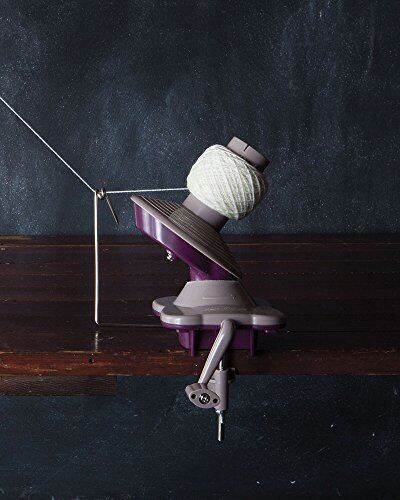
Struggling to make the yarn as a center-pull ball? This Knit Picks Yarn Ball Winder is the right solution for you. This is a unique winder that has a metal arm for comfortable winding. At the same time, clamping the device with a tabletop is easier.
The winder can process up to 100 grams of yarn. Removable parts make it easier to store the product in a tight space. They also have knitting needles, which is of versatile application. Assembling the product is not a big deal and takes less time too.
Pros
- Versatile use
- Laminated birch needle lines
- Gorgeous outlook
- Simple application
Cons
- Yarn may slip off the cake
- Some parts are from plastic
Why we picked this product?
When you want your hanks or skeins to take a compact shape, this is the right product for you. It comes with varieties of features like easy winding, and quick assembly. Storing the winder in a tight space is comfortable too.
U-nitt ML702 Metal Jumbo Large Yarn Ball Winder
Key features
- Solid birch construction
- Adjustable
- Versatile application
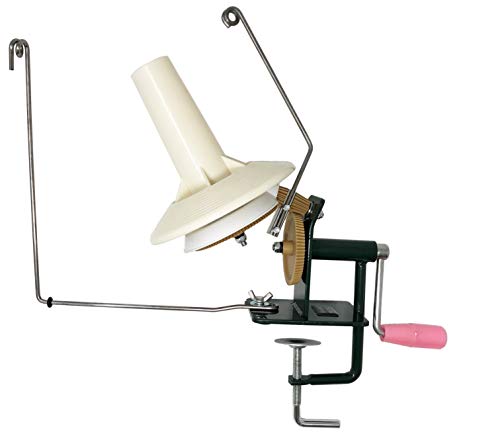
U-nitt ML702 Metal Jumbo Large Yarn Ball Winder is a handy yarn winder. It comes with exclusive features. The circumference is adjustable. Installation on a table top with a screw is more straightforward than other similar products.
You will have a money-back guarantee from the manufacturer. It spins freely and can be used as a yarn holder as well. The height and weight are compact – it is 25 inches in length.
Pros
- Multiple applications
- Money-back guarantee
- Makes noise
- May bend
Cons
- Makes noise
- May Bend
Why we picked the product?
First of all, it looks beautiful while the performance is also standard. The umbrella opening makes the winding process simple. The adjustable circumference is wide up to 72 inches. Setting up the device to a table top is not a tough task.
Buying Guide: How to Buy the Best Rated Yarn Ball Winder

Buying the best yarn swift and ball winder is not as easy as it sounds. You need to know the particular specifications and skills also. In this part of the post, we will discuss the generalized aspects of the best large ball yarn winder.
So, keep patience and scroll through the page to know more.
Construction matters
According to the experts, the very first and most crucial issue is construction. If the body construction is not up to the mark, you may experience trouble while winding. The winder body needs to be robust and dependable. Usually, birch is one of the best materials.
Or you can also opt for some stainless steel coating. The coating helps to prevent rusting of the winder. Before you make the purchase, you must check the facts and accordingly take the decision.
Performance
At the same time, get some in-depth ideas about the performance of the product. You can check some online reviews to know the performance. Or, you can also talk to someone who has experience of using the same product.
This is the smartest way to know about actual performance. If the performance level is satisfactory, you can get the product. But if there is any inconsistency, you can skip the product and move for the next.
Adjustability
On the other part, you need to care about the adjustability of your yarn ball winder. If the winder is not adjustable, you might fall in trouble. At times, it is necessary to adjust the winding process. If you want to make a cake or a ball or any other shape, you must have to adjust the winder.
Also, setting the winder in different angels is another requisite to get the yarn ball shapes. But if you cannot adjust, you cannot have anything. Therefore, this is wise to check the adjustability feature of your preferred yarn ball winder.
Ease of operation
Most of the yarn ball winders come with a crank handle. But if they are no smooth, you cannot get the right output. The crank handle needs to be easy to operate. Make sure the handle is comfortable to rotate. At the same time, you need to care about the noise from the handle.
A noisy handle can help you lose focus. Thus, you must check this factor in particular. If it is not easy, you need to revise your thought. Get something that comes with ease of operation.
How To Use a Yarn Ball Winder
Here are the general steps to use a yarn ball winder:
- Secure the yarn ball winder to a table or work surface using the clamp or other attachment method provided.
- Place the skein of yarn on a swift or hold it in your hand.
- Find the end of the yarn from the center of the skein and tie it onto the yarn ball winder’s spindle or yarn guide.
- Start turning the ball winder’s crank or handle, while holding the end of the yarn with your other hand.
- As you turn the crank or handle, the ball winder will wind the yarn around the center of the ball winder’s cone, creating a ball or cake of yarn.
- Continue winding the yarn until the skein is fully wound or the ball winder’s capacity has been reached.
- Once you have finished winding the yarn, cut the yarn from the skein and tuck the end into the center of the ball or cake.
- Remove the yarn ball from the spindle or cone of the yarn ball winder and use it for your next project.
Remember to follow the instructions provided with your specific yarn ball winder for best results.
Frequently Asked Questions About Yarn Ball Winders

What are the steps to setting up your yarn ball winder?
Here are the basic steps to set up a yarn ball winder:
- Find a stable surface: Place the ball winder on a stable surface, such as a table, that is strong enough to support the weight of the winder and the tension of the yarn.
- Assemble the winder: Assemble the winder according to the manufacturer’s instructions. Typically, you will need to attach the handle, yarn guide, and tension arm to the base of the winder.
- Thread the yarn: Thread the end of the yarn through the yarn guide and then around the tension arm. Make sure the tension is set to a level appropriate for the thickness of the yarn.
- Attach the yarn to the winder: Tie the end of the yarn to the notch on the top of the spindle. Make sure the knot is tight and secure.
- Begin winding: Turn the handle of the winder to start winding the yarn onto the spindle. Make sure to wind the yarn evenly, without any knots or tangles.
- Remove the ball: Once you have wound the desired amount of yarn, remove the ball from the spindle by sliding it off carefully. Cut the yarn and tie it securely to keep the ball from unraveling.
- Repeat: If you need to wind more yarn, repeat the process from step 3.
It is important to follow the manufacturer’s instructions for your specific yarn ball winder to ensure proper setup and safe use.
What are the types of yarns?
There are many types of yarns, and they can be categorized based on the fiber used, texture, thickness, and intended use. Here are some common types of yarns:
- Animal-based yarns: Yarns made from animal fibers, such as wool, mohair, cashmere, and silk.
- Plant-based yarns: Yarns made from plant fibers, such as cotton, linen, hemp, and bamboo.
- Synthetic yarns: Yarns made from synthetic fibers, such as acrylic, nylon, and polyester.
- Blended yarns: Yarns made from a combination of different fibers, such as wool/acrylic or cotton/linen.
- Novelty yarns: Yarns designed with unique textures and appearances, such as boucle, eyelash, or ribbon yarns.
- Super bulky yarns: Very thick and fluffy yarns often used for quick and cozy projects.
- Fingering weight yarns: Thin, lightweight yarns often used for delicate or lacy projects.
- Worsted weight yarns: A medium-weight yarn that is versatile and commonly used for many types of projects.
- Sport weight yarns: A lighter yarn often used for garments and accessories that require more drape and flexibility.
- Bulky yarns: Thicker yarns often used for warm and cozy projects, such as scarves, hats, and blankets.
Each type of yarn has its own characteristics and is best suited for specific projects. Always consider the intended use of your project before selecting yarn.
What are the types of yarn ball winders?
There are several types of yarn ball winders available. Here are the most common options:
- Manual Yarn Ball Winder: This is the most basic type of yarn ball winder. It requires you to turn a handle manually to wind the yarn onto the spindle. Manual winders are usually small, lightweight, portable, and easy to use.
- Electric Yarn Ball Winder: Electric yarn ball winders are powered by electricity and can wind yarn quickly and efficiently. They are usually more convenient than manual winders but tend to be more expensive.
- Combination Yarn Ball Winder and Swift: This type combines a yarn ball winder with a swift, allowing you to hold skeins in place while winding them into balls. It is especially useful when working with larger quantities of yarn.
- Cone Yarn Winders: These winders are designed to wind yarn onto cones. They are commonly used in industrial settings but can also be useful for knitters and weavers who need to wind large amounts of yarn.
- Tabletop Yarn Winders: These winders are designed to be mounted on a table or flat surface. They are usually more durable than handheld winders and can wind yarn quickly and efficiently.
- Handheld Yarn Winders: These are small and portable, making them suitable for on-the-go knitting or crocheting. They are usually more affordable but may require more effort to use.
Each type of yarn ball winder has its own benefits, so choose the one that best matches your crafting needs and preferences.
What is the best yarn ball winder?
The best yarn ball winder should offer strong performance, save time, work smoothly with different yarn types, and provide reliable results. A good yarn ball winder should also be stable, easy to use, and durable enough for regular crafting projects.
What is the best yarn ball winder to use?
Nancy’s Knit Knacks Heavy Duty Ball Winder and the Knit Picks Yarn Ball Winder are both popular options. You can choose either one depending on your needs, budget, and preferred features. You can also check the review list above to find the most suitable option for your project.
What is the best yarn winder with the biggest ball capacity?
Several yarn ball winders can handle larger yarn balls. Here are some options to consider:
- Stanwood Needlecraft Large Metal Yarn/Fiber/Wool/String Ball Winder: A manual yarn ball winder that can wind up to 10 oz. yarn balls. It has a large capacity and is made from durable metal.
- Nancy’s Knit Knacks Heavy Duty Ball Winder: An electric ball winder that can wind up to 16 oz. yarn balls. It is made with high-quality materials and is built for long-term use.
- Schacht 14″ Jumbo Yarn Ball Winder: A manual ball winder that can wind up to 1 lb. yarn balls. It has a large capacity and can handle thicker yarns.
- Knit Picks Yarn Ball Winder: A manual yarn ball winder that can wind up to 100 grams of yarn, or around 3.5 oz. It is affordable and beginner-friendly.
The best option depends on your budget, the size of yarn balls you need to wind, and how often you plan to use the winder.
Do I need a yarn ball winder?
Whether you need a yarn ball winder depends on your knitting, crocheting, or weaving habits. Here are some benefits of using one:
- Organization: A yarn ball winder helps keep your yarn stash neat, compact, and easier to store.
- Ease of Use: Wound yarn is easier to handle while knitting, crocheting, or weaving.
- Time-Saving: Winding yarn by hand can take time, especially with larger skeins. A yarn ball winder makes the process faster.
- Consistency: A ball winder creates more uniform yarn balls, which can help improve the consistency of your crafting work.
If you frequently work with yarn and want better organization, speed, and consistency, a yarn ball winder can be a very useful tool. However, if you only use small amounts of yarn or do not mind winding by hand, it may not be necessary.
How do you use threads and loops on a yarn ball winder?
Threads and loops can be used on a yarn ball winder to create center-pull yarn cakes. These cakes make yarn easier to store and use without tangling. Follow these steps:
- Attach the end of the yarn to the yarn ball winder by tying a knot or using a yarn guide.
- Create a loop in the yarn and place it over the yarn ball winder’s yarn guide.
- Begin winding the yarn onto the ball winder, making sure to wind it around the loop on the yarn guide.
- Continue winding until you have reached your desired amount of yarn or the winder’s capacity.
- Once finished, tuck the end of the yarn into the center of the ball and pull the loop up and out from the center.
- Pull the end of the yarn through the loop to create a slip knot.
- Gently tug on the end of the yarn to tighten the slip knot and secure the yarn in place.
You can then use the center-pull yarn cake while knitting, crocheting, or weaving without the yarn rolling away or tangling easily.
Last words
So, you are now well aware of the best rated yarn ball winder. In this article, we have neutrally added all the information. We do believe that getting the best yarn swift and ball winder would not be hard for you now.
Have a good day and keep weaving.
You can also check:
- Beginners Guide To The Best Electronic Gold Tester
- Top 5 Best Meat Grinder for Bones Reviews of 2026