Free Cycling Lessons for Kids: A Complete Guide for Parents
Cycling is one of the best outdoor activities for children. It helps them stay active, build confidence, improve balance, and learn an important life skill that can support independence as they grow older. For many families, cycling is also a fun way to spend time together, explore local parks, enjoy fresh air, and encourage children to move away from screens.
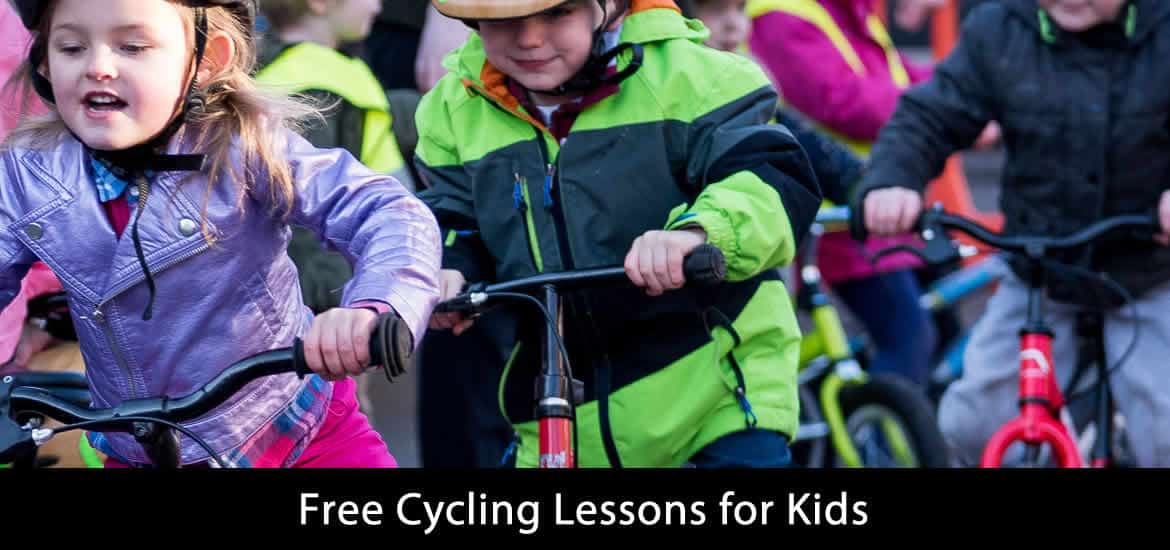
Free cycling lessons for kids are a wonderful opportunity for parents who want their children to learn safe cycling without worrying about training costs. These lessons can help children understand how to ride properly, control their bikes, follow road safety rules, and become more confident riders.
A cycling lesson is not only about learning how to pedal. It teaches children how to balance, brake, turn, signal, observe traffic, ride safely in groups, and understand their surroundings. With proper guidance, children can enjoy cycling more safely and responsibly.
Why Free Cycling Lessons Are Important for Kids
Many children love bikes, but not all children learn cycling in the right way. Some children learn by trial and error, while others depend only on their parents or older siblings. Although family support is helpful, structured cycling lessons can make the learning process safer and more effective.
Free cycling lessons are especially useful because they make training accessible to more families. Not every parent can afford private cycling classes, and not every child feels confident learning alone. A free program gives children the chance to learn in a supportive environment.
They Encourage Healthy Physical Activity
Cycling is a great form of exercise. It helps children improve stamina, muscle strength, balance, and coordination. Regular cycling can also support heart health and overall fitness.
Children need physical movement for healthy growth. Cycling lessons encourage them to stay active in a fun and engaging way.
They Build Confidence
Many children feel nervous when they first start cycling. They may worry about falling, stopping, turning, or riding near others. Cycling lessons help them overcome fear step by step.
As children learn new skills, they become more confident. This confidence can also help them in other areas of life, such as sports, school activities, and social situations.
They Teach Road Safety
One of the biggest concerns for parents is safety. Children must learn how to ride carefully, especially near roads, crossings, driveways, and public spaces.
Cycling lessons teach important safety habits such as looking around, using brakes properly, understanding traffic signs, and staying aware of surroundings.
They Support Independence
As children grow older, they want more independence. Cycling can give them a safe and healthy way to travel short distances, visit friends, go to school, or enjoy outdoor spaces.
However, independence must come with responsibility. Cycling lessons help children develop the skills they need to ride more safely and make better decisions.
What Children Can Learn from Cycling Lessons
A good cycling lesson teaches much more than basic riding. Children learn practical skills that help them become safer, stronger, and more responsible riders.
Balance and Control
Balance is the foundation of cycling. Children learn how to sit properly, keep their body steady, and control the bike while moving.
For younger children, balance bikes can be a helpful first step before moving to pedal bikes.
Starting and Stopping
Children learn how to start pedaling smoothly and stop safely. Braking is especially important because sudden or incorrect braking can cause falls.
A good lesson teaches children how to use brakes gently and confidently.
Turning and Steering
Turning is one of the most important cycling skills. Children learn how to steer around corners, avoid obstacles, and keep control while changing direction.
Looking Around Safely
Children must learn to look ahead, behind, and around without losing balance. This is important when riding near roads, paths, pedestrians, or other cyclists.
Understanding Road Rules
Older children may learn basic road rules, including traffic signs, lane position, safe crossing, and how to ride near vehicles.
Bike Maintenance Basics
Some cycling programs also teach basic bike checks, such as checking brakes, tires, chains, and seat height. This helps children understand that a safe ride starts with a safe bike.
How to Organize Free Cycling Lessons for Kids
Offering free cycling lessons is a great community initiative. It can help children become healthier, safer, and more confident. If a school, local group, community center, or charity wants to organize free lessons, proper planning is important.
Partner with a Local Organization
A local organization can help make the program stronger. Community centers, schools, bike clubs, cycling advocacy groups, youth organizations, or local councils may have resources, space, volunteers, and experience.
Partnerships can help with:
-
-
- Finding a safe training location
- Recruiting cycling instructors
- Providing helmets and bikes
- Promoting the program
- Managing registrations
- Ensuring safety standards
-
Recruit Volunteers
Volunteers can help with instruction, supervision, registration, bike checks, safety support, and communication with parents.
Good volunteer options may include:
-
-
- Parents
- Teachers
- Experienced cyclists
- Community workers
- Sports coaches
- Bike club members
-
Volunteers should understand child safety, basic cycling skills, and the importance of patient teaching.
Gather Equipment
A cycling lesson program needs the right equipment. Some children may bring their own bikes and helmets, but organizers should prepare extra equipment if possible.
Useful equipment includes:
-
-
- Bicycles in different sizes
- Helmets
- High-visibility vests
- Knee and elbow pads
- Traffic cones
- First-aid kit
- Water station
- Basic bike repair tools
-
Local businesses, sports shops, schools, and community members may be willing to donate or lend equipment.
Develop a Simple Curriculum
A structured curriculum makes the lessons more effective. The program should include different skill levels so beginners and more experienced riders can both benefit.
A basic curriculum may include:
-
-
- Helmet fitting and safety check
- Bike size and seat adjustment
- Balance practice
- Starting and stopping
- Braking control
- Turning and steering
- Obstacle practice
- Road awareness
- Group riding behavior
- Basic bike maintenance
-
The uploaded source also recommends developing a curriculum that covers skills such as balancing, braking, and turning for different skill levels and age groups.
Advertise the Program
A free cycling lesson program should be promoted clearly so parents know how to register.
Promotion can be done through:
-
-
- Schools
- Community centers
- Local Facebook groups
- Parent groups
- Local newspapers
- Posters
- Sports clubs
- Local council websites
-
Include important details such as age range, location, time, equipment requirements, registration process, and safety rules.
Ensure Safety First
Safety should be the main priority. Lessons should be held in a controlled environment away from busy traffic.
All children should wear helmets. Instructors should check bikes before riding. Parents should provide emergency contact information. A first-aid kit should be available.
The Balance Between Independence and Safety
One of the biggest challenges for parents is helping children become independent while keeping them safe. Cycling is a good example of this balance.
Children need freedom to learn, explore, and grow. At the same time, they need rules, guidance, and supervision.
Start with Small Steps
Parents should not give full independence immediately. Start with small steps.
For example, let your child ride in a driveway, park, or quiet path first. Then allow them to ride slightly longer distances under supervision. As their skills improve, they can gradually gain more freedom.
Teach Safety Skills Early
Children should learn basic safety skills before riding independently.
Teach them how to:
-
-
- Stop before crossing roads
- Look left and right
- Use brakes correctly
- Ride in a straight line
- Avoid sudden turns
- Stay visible
- Follow adult instructions
-
Set Clear Boundaries
Children need clear rules. Parents should explain where they can ride, who they can ride with, and when they must stop.
Boundaries may include:
-
-
- Only ride inside the park
- Do not ride near the main road
- Always wear a helmet
- Do not ride after dark
- Stop when a parent calls
- Stay with the group
-
Monitor Their Activities
Even when children become more independent, parents should stay involved. Regular check-ins, supervised practice, and open communication are important.
Encourage Communication
Children should feel comfortable telling parents if they are scared, confused, injured, or unsure about something.
Good communication helps parents understand the child’s confidence level and safety needs.
The source also highlights that parents should support independence gradually, teach safety skills, set boundaries, monitor activities, encourage communication, and stay involved.
What Is Cycle Confident and Bikeability Training?
Cycle Confident and Bikeability training are cycling programs designed to help children and young people learn how to cycle safely. These programs focus on practical cycling skills, road safety, and confidence-building.
Cycle Confident
Cycle Confident is a cycling training program that may offer individual and group sessions. It is often used for adults and families, depending on the local provider.
Bikeability Training
Bikeability is a structured cycling training program for school-age children. It is designed to teach children how to ride safely and confidently, especially on modern roads.
Bikeability training can include multiple levels, from basic bike control to more advanced road riding skills.
Benefits of Cycle Confident and Bikeability
These programs can help children:
-
-
- Improve cycling skills
- Build confidence on the bike
- Understand road safety
- Learn how to ride near traffic
- Become more independent
- Develop healthy travel habits
-
The uploaded content explains that Cycle Confident and Bikeability training aim to teach children and young people safe cycling skills, improve confidence, and increase road safety awareness.
What Happens During a Cycling Lesson?
A cycling lesson may vary depending on the child’s age, skill level, and the program structure. However, most lessons include practical exercises and safety education.
Bike and Helmet Check
Before riding, instructors usually check whether the bike is safe and the helmet fits properly.
They may check:
-
-
- Brakes
- Tires
- Seat height
- Handlebars
- Chain
- Helmet position
-
Basic Riding Practice
Children may practice starting, stopping, balancing, and pedaling in a safe area.
Braking and Turning Exercises
Instructors may use cones or markers to help children practice turns, braking distance, and control.
Road Awareness Training
Older or more advanced children may learn about road positioning, traffic awareness, and safe crossing.
Group Riding Practice
Children may practice riding with others while maintaining space and following instructions.
How Parents Can Support Their Child’s Cycling Training
Parents play a major role in helping children become safe cyclists. A lesson is helpful, but regular practice and support at home make the learning stronger.
Provide the Right Bike
A child’s bike should fit properly. If the bike is too large or too small, it can affect balance and safety.
The child should be able to sit comfortably, reach the handlebars, and control the bike.
Make Sure the Helmet Fits
A helmet should sit level on the child’s head and should not move too much. It should protect the forehead and be fastened securely.
Encourage Regular Practice
Children improve through practice. Short and regular practice sessions are better than long and stressful sessions.
Practice in Safe Places
Good practice locations include:
-
-
- Empty playgrounds
- Quiet parks
- Driveways
- School yards
- Traffic-free cycling paths
-
Model Safe Cycling Behavior
Children learn from adults. If parents wear helmets, follow safety rules, and ride carefully, children are more likely to do the same.
Stay Patient
Some children learn quickly. Others need more time. Do not compare your child with others. Encourage progress and keep the experience positive.
Safety Checklist Before Every Cycling Lesson
Before your child starts riding, use this simple checklist.
Bike Safety Check
-
-
- Are the brakes working?
- Are the tires properly inflated?
- Is the seat at the right height?
- Are the handlebars secure?
- Is the chain working smoothly?
- Are there any loose parts?
-
Child Safety Check
-
-
- Is the helmet fitted correctly?
- Is the child wearing closed-toe shoes?
- Are shoelaces tied?
- Is clothing comfortable and not too loose?
- Is the child visible to others?
- Does the child understand the rules?
-
Location Safety Check
-
-
- Is the area away from busy traffic?
- Is the surface flat and safe?
- Are there any obstacles?
- Is there enough space to practice?
- Is adult supervision available?
-
Example: Free Cycling Lessons in British Cities
The uploaded source mentions a summer cycling lesson initiative for children in 21 British cities by Britvic and Cycle Confident. The program offered free cycling proficiency lessons for kids, with courses running in Scotland from 8 August and other areas from 22 August.
The listed locations included Aberdeen, Kilmarnock, Blackpool, Bristol, Cambridge, Colchester, Doncaster, Durham, Gatwick, Leeds, Manchester, Milton Keynes, Newcastle upon Tyne, Norwich, Nottingham, Osterley, Peterborough, Plymouth, Reading, Rugby, and Swansea.
The source also explains that lessons were offered on a first-come, first-served basis, with registration through email and booking codes for the Cycle Confident website. Lessons lasted two hours, with a maximum of 12 children in each group.
Why Cycling Lessons Create Long-Term Benefits
Cycling is more than a childhood hobby. It can become a lifelong healthy habit.
Children who learn cycling safely may continue to ride as teenagers and adults. They may use cycling for exercise, transport, recreation, and family outings.
Health Benefits
Cycling supports:
-
-
- Cardiovascular fitness
- Leg strength
- Balance
- Coordination
- Stamina
- Healthy weight management
-
Mental Benefits
Cycling can also support mental well-being. Outdoor activity, fresh air, and movement can help children feel happier, calmer, and more energetic.
Social Benefits
Cycling lessons allow children to learn with others. They practice teamwork, listening, patience, and group safety.
Practical Life Skills
Cycling teaches responsibility. Children learn to take care of equipment, follow rules, assess risks, and make safe decisions.
Common Mistakes Parents Should Avoid
Parents want to help their children, but sometimes they make small mistakes during cycling training.
Starting on a Bike That Is Too Big
A bike that is too large can make the child feel unsafe. Choose a bike that fits properly.
Skipping Helmet Use
A helmet should be worn every time, even during short practice sessions.
Practicing Near Traffic Too Early
Beginners should learn in safe, traffic-free areas before riding near roads.
Pushing the Child Too Hard
Cycling should be enjoyable. If a child feels pressured, they may become afraid or lose interest.
Ignoring Bike Maintenance
A poorly maintained bike can be unsafe. Check brakes, tires, and seat height regularly.
Frequently Asked Questions About Free Cycling Lessons for Kids
What are free cycling lessons for kids?
Free cycling lessons are training sessions where children learn how to ride a bike safely without paying a lesson fee. These lessons may be organized by schools, councils, cycling groups, charities, or community programs.
What age is best for children to start cycling lessons?
Many children can start learning basic cycling skills from around 3 to 5 years old, depending on their balance, confidence, and physical ability. Structured road safety training is usually better for older children who can understand instructions clearly.
Does my child need their own bike?
It depends on the program. Some programs may provide bikes, while others may ask children to bring their own. Always check before registering.
Does my child need a helmet?
Yes. A properly fitted helmet is very important for cycling safety. Many programs require every child to wear one.
What should my child wear for cycling lessons?
Children should wear comfortable clothes, closed-toe shoes, and a helmet. Avoid loose trousers, long scarves, or anything that could get caught in the bike.
Are cycling lessons safe?
Cycling lessons are generally safe when they are held in controlled environments with proper supervision, helmets, safety checks, and trained instructors.
What skills will my child learn?
Children may learn balance, pedaling, braking, turning, steering, road awareness, bike checks, signaling, and safe riding habits.
What is Bikeability training?
Bikeability is a cycling training program designed to help children learn safe cycling skills and gain confidence on the road.
How long does a cycling lesson usually last?
Lesson length depends on the program. Some lessons may last one hour, while others may last two hours or more. The example program in the uploaded source offered two-hour lessons.
How can parents help after the lesson?
Parents can help by encouraging regular practice, checking the bike, making sure the helmet fits, choosing safe riding locations, and reinforcing safety rules.
Can cycling lessons help my child become more independent?
Yes. Cycling lessons can help children build confidence, learn safety skills, and gradually become more independent. However, parents should continue to set rules and supervise based on the child’s age and ability.
Where can I find free cycling lessons for kids?
You can check with local schools, community centers, councils, cycling clubs, bike shops, charities, and road safety organizations. Some seasonal programs may also be promoted through local media or social media.
Final Thoughts
Free cycling lessons for kids are a valuable opportunity for families. They help children stay active, learn practical life skills, understand road safety, and build confidence on a bike. With the right training, children can enjoy cycling in a safer and more responsible way.
Parents should support their children by choosing the right bike, providing safety gear, encouraging practice, and setting clear boundaries. Cycling independence should develop gradually, with safety always coming first.
A good cycling lesson can give children more than riding ability. It can give them confidence, independence, discipline, and happy memories of outdoor adventure. For any parent who wants their child to become a safe and confident cyclist, free cycling lessons are a great place to start.