Geocaching for Beginners: A Family-Friendly Treasure Hunting Guide
Geocaching is a high-tech global treasure hunting activity that the whole family can enjoy. It combines outdoor adventure, problem-solving, walking, map reading, discovery, and a little bit of mystery. For parents who want to encourage their children to spend more time outside, geocaching can be one of the most exciting and educational family activities.
Most children love the idea of treasure hunting. They enjoy searching, discovering hidden objects, and feeling the excitement of finding something secret. Geocaching turns that natural curiosity into a real-world outdoor game. Instead of staying indoors with screens, children can walk through parks, countryside paths, forests, beaches, gardens, and local neighborhoods while searching for hidden containers called caches.
The best thing about geocaching is that it is simple to start. You do not need expensive equipment. A smartphone, a free or paid geocaching app, comfortable walking shoes, and a little sense of adventure are enough for your first experience.
For families who already enjoy outdoor activities, cycling, walking, nature exploration, or learning new skills, geocaching can become a wonderful weekend hobby. It is also a great way to introduce children to navigation, distance, patience, observation, and teamwork.
What Is Geocaching?
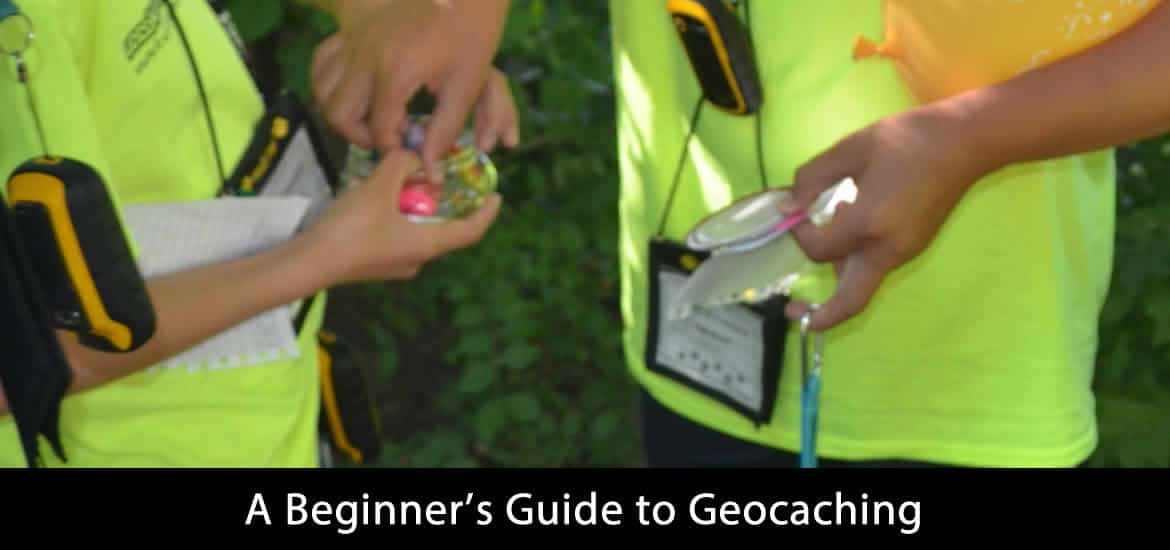
Geocaching is a modern treasure hunt where people use GPS coordinates to find hidden containers placed by other geocachers. These containers are known as “caches” or “geocaches. ”
A cache can be hidden in many places. You may find one under a tree, behind a wall, inside a hollow log, near a walking trail, under a pile of stones, or close to a landmark. Some caches are easy to find, while others are very cleverly hidden.
A geocache usually contains a small logbook or paper sheet where finders can write their name and date. Some larger caches may also contain small toys, coins, badges, stickers, keyrings, or other tiny items. Children often enjoy these small treasures the most.
How Geocaching Works
The basic process is very simple:
- You open a geocaching website or app.
- You search for caches near your location.
- You choose a cache you want to find.
- You follow the GPS coordinates.
- You search carefully around the area.
- You find the cache.
- You sign the logbook.
- You trade a small item if the cache contains treasures.
- You place the cache back exactly where you found it.
- You log your find online.
This simple process can turn an ordinary walk into an exciting mission.
Why It Is Called High-Tech Treasure Hunting
Traditional treasure hunting usually depends on maps, clues, and landmarks. Geocaching uses GPS technology, smartphones, online maps, and coordinates. That is why it is often called a high-tech treasure hunt.
However, the fun is still very natural and outdoor-based. Technology only helps you get close to the hidden location. After that, your eyes, patience, and observation skills help you find the actual cache.
Why Geocaching Is Great for Families
Geocaching is one of those rare activities that both children and adults can enjoy together. It gives children excitement and gives parents a reason to spend quality time outdoors with them.
Many family activities become expensive, repetitive, or limited to indoor spaces. Geocaching is different. It can be low-cost, active, educational, and full of surprise.
It Encourages Children to Walk More
Many parents find it difficult to encourage children to go for a long walk. Children may complain that walking is boring or tiring. But when the walk includes hidden treasure, everything changes.
A child who does not want to walk for ten minutes may happily walk for an hour if they know there is a secret cache waiting to be found.
Geocaching gives children a clear purpose. They are not just walking. They are searching, exploring, and solving a mission.
It Makes Outdoor Time More Exciting
Outdoor time is important for children’s physical and emotional development. Fresh air, movement, sunlight, and natural surroundings can help children feel more active and relaxed.
Geocaching makes outdoor time more interesting because every trip feels different. One day you may search near a park. Another day you may explore a woodland path. On another weekend, you may visit a historical place and find a cache nearby.
Parents looking for more outdoor and developmental ideas can also read this guide on best kid skills and activities, which includes helpful ideas for children’s growth, confidence, and active learning.
It Builds Family Memories
Children remember adventures. They may forget a normal walk, but they will remember the day they found a tiny box hidden under a tree or discovered a themed cache near a castle, river, or old bridge.
Geocaching creates shared family stories. Parents and children can laugh about difficult searches, celebrate successful finds, and remember unusual hiding places.
Educational Benefits of Geocaching
Geocaching is not only fun. It is also educational. Children can learn practical skills without feeling like they are studying.
Map Reading Skills
Geocaching introduces children to maps in a practical way. They can see how a map relates to the real world. They learn directions, paths, distances, and locations.
This helps children understand geography better. Instead of only looking at maps in books or classrooms, they use maps in real situations.
Distance and Direction
Many geocaching apps show how far away a cache is. Children can learn what 100 meters, 500 meters, or 1 kilometer feels like in real life.
They also learn directions such as north, south, left, right, uphill, downhill, near, far, behind, and beside.
Problem-Solving Skills
Not every cache is easy to find. Some are hidden cleverly. Children may need to think carefully, search different angles, and observe small details.
They may ask questions like:
- Where would I hide a small container here?
- Is there a hollow space nearby?
- Could it be under the bench?
- Is there a clue in the cache description?
- Does the hint suggest a tree, stone, fence, or sign?
This kind of thinking improves problem-solving and observation.
Patience and Focus
Children often want quick results. Geocaching teaches patience. Sometimes a cache takes several minutes to find. Sometimes the family may not find it at all.
This teaches children that not every challenge is solved immediately. They learn to stay calm, keep trying, and accept that some searches are harder than others.
History and Geography
Many geocaches are placed near interesting historical, cultural, or natural locations. Some cache descriptions include information about the place.
Children may learn about old buildings, local history, rivers, hills, geology, bridges, monuments, or famous events.
Some special caches, such as earth caches, encourage people to learn about rocks, landforms, and natural features before logging the find.
Types of Geocaches Beginners Should Know
Before starting, it helps to understand the common types of geocaches. This makes the game easier and more enjoyable.
Traditional Cache
A traditional cache is the simplest type. The coordinates take you directly to the hidden container.
This is the best type for beginners and families with young children.
Multi-Cache
A multi-cache has more than one stage. You may need to visit one location first to collect information, then use that information to find the final cache.
This can be fun for older children who enjoy solving clues.
Mystery or Puzzle Cache
A mystery cache requires solving a puzzle before you get the final coordinates. The puzzle may involve numbers, words, codes, trivia, or logic.
These caches can be exciting but may be difficult for beginners.
Earth Cache
An earth cache does not usually have a physical container. Instead, it teaches people about a geological feature. You may need to answer questions about the location to log your find.
This is excellent for educational family trips.
Micro Cache
A micro cache is very small. It may only contain a tiny paper log. These are more challenging because they can be hidden in very small spaces.
For children, larger caches are usually more exciting because they may contain small trade items.
What You Need to Start Geocaching
Geocaching does not require much equipment, but a little preparation makes the experience smoother.
Smartphone or GPS Device
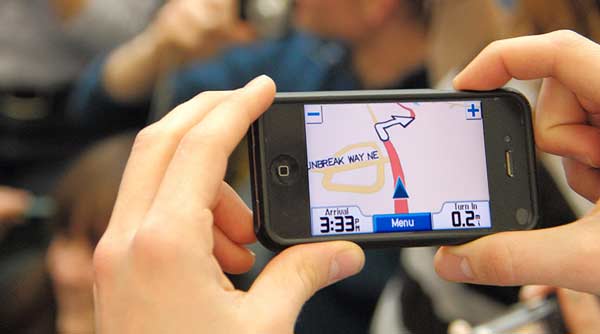
Most beginners use a smartphone with a geocaching app. The app helps you find caches near your location and guides you with GPS coordinates.
A dedicated GPS device can also be used, especially for remote outdoor areas.
Comfortable Shoes
You may need to walk on trails, grass, mud, stones, or uneven paths. Comfortable shoes are important.
For children, shoes should be secure and suitable for outdoor walking.
Small Trade Items
If you find a larger cache with small toys or trinkets, your child may want to trade. The rule is simple: if you take something, leave something of equal or greater value.
Good trade items include:
- Small toys
- Stickers
- Keyrings
- Badges
- Pencils
- Toy cars
- Small figures
- Decorative erasers
Avoid food, liquids, sharp objects, or anything unsafe.
Pen or Pencil
Some caches contain a pencil, but many do not. Always carry your own pen so you can sign the logbook.
Water and Snacks
If you are going for a longer walk, bring water and light snacks. Children may get tired or hungry during outdoor activity.
Weather-Appropriate Clothing
Check the weather before leaving. Bring jackets, hats, sunscreen, or rain protection depending on the season.
How to Plan Your First Geocaching Trip
Your first geocaching trip should be simple and enjoyable. Do not choose a difficult cache for the first attempt.
Choose an Easy Cache
Most geocaching platforms show difficulty and terrain ratings. For your first trip, choose a cache with low difficulty and easy terrain.
A family-friendly cache in a park is a good starting point.
Read the Cache Description
Before leaving, read the description carefully. It may include helpful details about parking, walking distance, safety, or clues.
Check Recent Logs
Recent logs can tell you whether other people found the cache recently. If many people say “Did Not Find, ” the cache may be missing or too difficult.
For beginners, choose a cache that has been found recently.
Start with One or Two Caches
Do not plan too many caches on your first day. Start with one or two so the experience remains fun and relaxed.
Make It a Family Adventure
Let children help with the app, map, clues, and searching. The more involved they feel, the more they will enjoy it.
Geocaching Safety Tips for Families
Geocaching is generally safe, but parents should always use common sense and supervise children.
Stay Aware of Your Surroundings
When searching for a cache, it is easy to focus only on the GPS. Always look around and stay aware of roads, slopes, water, animals, and other people.
Do Not Search in Dangerous Places
Avoid caches near busy roads, steep drops, deep water, abandoned buildings, or unsafe areas.
If a cache location feels dangerous, skip it.
Wear Proper Outdoor Gear
Children should wear comfortable shoes and suitable clothing. If the activity includes cycling or riding to the location, proper safety gear is important.
Parents who combine geocaching with cycling may also find this guide on the best toddler helmet useful for young riders.
Teach Children Not to Touch Unsafe Objects
Children should not touch sharp objects, broken glass, insects, animal waste, or unknown items. Parents should inspect the hiding area first if needed.
Respect Nature
Do not damage plants, trees, rocks, or wildlife habitats. Geocaching should be done gently and responsibly.
Go During Daylight
For families and beginners, daylight geocaching is safer and easier. Night geocaching can be fun for experienced players, but it is not ideal for young children.
Geocaching Etiquette: Rules Every Beginner Should Follow
Geocaching has simple rules that help keep the activity enjoyable for everyone.
Put the Cache Back Exactly Where You Found It
This is one of the most important rules. After finding and signing the cache, place it back in the same location and hide it the same way.
If you move it, the next person may not find it.
Sign the Logbook
The logbook is proof that you found the cache. Write your name or geocaching username and the date.
Trade Fairly
If your child takes a toy or item, leave something equal or better. Do not take everything from the cache.
Do Not Reveal the Hiding Place
Part of the fun is searching. Do not post photos or comments that reveal exactly where the cache is hidden.
Be Discreet
People who do not know about geocaching are sometimes called “muggles” in the geocaching community. Try not to draw too much attention when finding or replacing a cache.
Report Problems
If the cache is damaged, wet, missing, or full, mention it in your online log so the owner can fix it.
Why Children Love Geocaching
Children enjoy geocaching because it feels like a real adventure. It gives them curiosity, surprise, and achievement.
The Excitement of Finding Treasure
Even a small plastic box can feel magical when it is hidden in the woods or under a rock. Children love the moment of discovery.
The Joy of Beating Adults to the Find
Children are often very good at spotting caches because they are closer to the ground and notice small details. When they find a cache before the adults, they feel proud.
The Fun of Swapping Items
Larger caches with small toys are especially exciting. Children enjoy choosing an item and leaving something behind for the next finder.
Themed Caches Make It More Special
Some caches are based on stories, movies, characters, local history, or puzzles. A themed cache can make the experience feel like a real quest.
For example, a Harry Potter-style cache may involve solving clues, answering trivia, or finding multiple stages. Story-based caches can make children feel like they are inside an adventure.
Combining Geocaching with Other Family Activities
Geocaching can be enjoyed on its own, but it can also be combined with other outdoor activities.
Geocaching and Walking
This is the simplest combination. Choose a walking route with several caches along the way.
Geocaching and Cycling
Families who enjoy cycling can plan a route with caches near bike paths or parks. This adds extra excitement to the ride.
For younger children learning to ride, parents may also explore the best balance bike and learn ways to ride kids safe on a balance bike before combining cycling with treasure hunting.
Geocaching and Scooter Rides
Older children may enjoy riding scooters to nearby cache locations. For families interested in this, ReadyForTen also has a guide on best electric scooters.
Geocaching and Picnics
Plan a geocaching trip around a picnic spot. Find one or two caches, then enjoy lunch outdoors.
Geocaching and Nature Learning
Use the trip to teach children about trees, birds, rocks, rivers, flowers, insects, and weather.
Geocaching and Cycling Lessons
If your child is learning to ride a bike, you can make cycling practice more exciting by adding a geocaching goal. You may also find this article on free cycling lessons for kids helpful.
How Geocaching Supports Child Development
Geocaching can support many areas of child development.
Physical Development
Walking, climbing small paths, bending, reaching, and exploring all help children move their bodies. It supports strength, stamina, balance, and coordination.
Mental Development
Children learn to think, observe, solve problems, follow clues, and make decisions.
Social Development
Geocaching can be done with siblings, friends, parents, or groups. Children learn teamwork, sharing, patience, and communication.
Emotional Development
Finding a cache gives children a sense of achievement. Not finding one teaches patience and resilience.
Confidence Building
When children help navigate, solve clues, or find caches, they feel capable and independent.
Choosing Safe Outdoor Toys and Activities Alongside Geocaching
Geocaching is a safe and educational activity when done responsibly. However, many families also enjoy other outdoor toys and riding activities.
When choosing any toy or outdoor activity, safety should always come first. Parents should consider age suitability, product quality, protective gear, supervision, and the child’s confidence level.
For a broader safety guide, parents can read how to select the safe toys for your kid.
Balance Bikes
Balance bikes are excellent for toddlers because they help children learn balance before using pedals.
Electric Scooters
Electric scooters may be suitable for older children, depending on age, skill, and local safety rules.
Kids 4 Wheelers
Some families may also consider outdoor riding vehicles for older children. In that case, it is important to understand safety, supervision, and age recommendations. You can explore this guide on the best kids 4 wheeler for more details.
Always Match the Activity to the Child
Not every activity is suitable for every child. Parents should consider the child’s age, balance, coordination, confidence, and ability to follow instructions.
Common Mistakes Beginner Geocachers Should Avoid
Geocaching is easy to start, but beginners often make a few mistakes.
Choosing a Difficult Cache First
Do not start with a hard puzzle or difficult terrain. Choose an easy family-friendly cache first.
Forgetting a Pen
Many small caches do not contain a pen. Always bring your own.
Not Reading the Hint
Hints can save time, especially when children become impatient.
Giving Up Too Quickly
Some caches are hidden cleverly. Take your time and search carefully.
Damaging the Area
Never dig, break branches, damage property, or disturb nature. A properly hidden cache should be found without causing damage.
Leaving Unsafe Items
Do not leave food, medicine, sharp objects, broken toys, or anything inappropriate in a cache.
What to Put Inside a Geocache
If you decide to hide your own geocache in the future, choose safe and family-friendly items.
Good Items to Leave
- Small toys
- Stickers
- Badges
- Pencils
- Keyrings
- Mini notebooks
- Toy figures
- Decorative erasers
- Small puzzles
- Clean trinkets
Items to Avoid
- Food
- Candy
- Liquids
- Sharp objects
- Medicines
- Matches
- Valuable items
- Broken toys
- Anything unsafe for children
Keep It Clean and Dry
Use a waterproof container and make sure the logbook stays dry. A wet cache is unpleasant for everyone.
How to Make Geocaching More Fun for Kids
Children enjoy geocaching more when parents make it playful and interactive.
Create a Treasure Hunt Story
Tell your child they are explorers, detectives, pirates, adventurers, or nature investigators. A simple story can make the walk more exciting.
Let Kids Hold the Map
Allow children to help with navigation. Even if parents guide the route, children enjoy feeling responsible.
Use Small Rewards
You can reward effort with a snack, picnic, playground visit, or extra outdoor playtime.
Take Photos
Take photos of the walk, nature, and family moments. Avoid showing the exact cache hiding place online.
Keep a Family Geocaching Journal
Write down the date, location, cache name, and what your child enjoyed. This can become a wonderful family memory book.
Frequently Asked Questions About Geocaching
Is geocaching safe for children?
Yes, geocaching can be safe for children when parents choose family-friendly caches, supervise the activity, avoid dangerous areas, and follow safety rules.
Do I need special equipment for geocaching?
No. A smartphone with a geocaching app is enough for most beginners. You should also bring a pen, water, comfortable shoes, and small trade items.
Is geocaching free?
Many geocaching activities can be done for free. Some platforms also offer premium features, but beginners can start without spending much.
What age is best for geocaching?
Children of many ages can enjoy geocaching. Younger children enjoy simple treasure finds, while older children may enjoy puzzles, navigation, and themed caches.
Can toddlers enjoy geocaching?
Yes, toddlers can enjoy short and easy geocaching walks with parents. Choose simple caches in parks or safe open areas.
What should we do if we cannot find a cache?
Do not worry. Sometimes caches are difficult or missing. You can check the hint, read recent logs, search a little longer, or move on to another cache.
Can we hide our own geocache?
Yes, but it is best to gain some experience first. Learn the rules of the platform, choose a safe location, use a waterproof container, and maintain the cache properly.
Final Thoughts
Geocaching is a wonderful family activity that combines outdoor adventure, technology, learning, and treasure hunting. It can turn an ordinary walk into an exciting mission and help children become more active, curious, confident, and observant.
For parents, geocaching is a practical way to encourage children to spend more time outdoors. It teaches map reading, direction, patience, teamwork, problem-solving, and respect for nature. It also creates special family memories that children may remember for years.
Whether you are walking through the countryside, visiting a park, exploring a local trail, or planning a weekend family adventure, geocaching can add fun and purpose to the journey.
So, if your family enjoys discovery, fresh air, and a little mystery, geocaching is definitely worth trying. Grab your phone, choose an easy nearby cache, prepare your small trade items, and start your first treasure hunt. Get caching!